
When hospitals and distributors evaluate a reusable SpO2 sensor manufacturer, the focus often extends beyond the initial purchase price. Total cost of ownership, or TCO, provides a broader perspective that includes acquisition, operation, maintenance, and replacement costs over time. For products like the adult reusable SpO2 sensor, TCO is especially important because these devices are used frequently in clinical environments and must maintain consistent performance.
Product Durability and Lifecycle Value
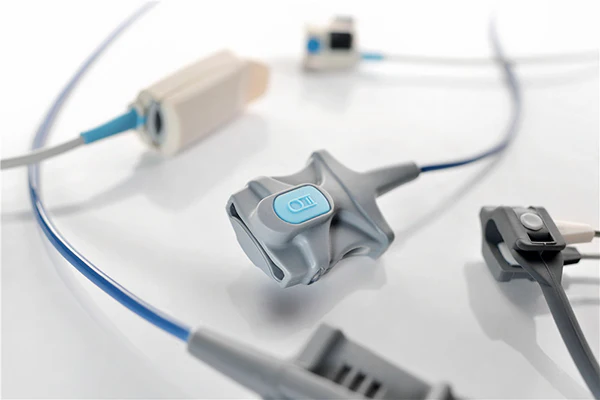
One of the most influential TCO factors is durability. A well-designed adult reusable SpO2 sensor should withstand repeated cleaning, disinfection, and daily use without compromising signal accuracy. Materials, cable strength, and connector reliability all contribute to product lifespan. Unimed places emphasis on robust construction to help reduce the frequency of replacements, which directly lowers long-term costs for healthcare providers.
Compatibility and Integration Efficiency
Compatibility with existing monitoring systems is another key consideration. Hospitals often operate a mix of equipment, and sensors that integrate seamlessly can reduce the need for additional adapters or system upgrades. A reusable SpO2 sensor manufacturer that offers broad compatibility helps streamline operations and avoids hidden expenses related to device mismatch or workflow disruption.
Maintenance, Support, and Compliance
Maintenance requirements also impact TCO. Sensors that are easy to clean and maintain reduce labor costs and minimize downtime. In addition, reliable technical support and clear documentation from partners like Unimed ensure that users can quickly resolve issues. Compliance with international standards further supports consistent quality, reducing the risk of operational interruptions or regulatory concerns.
Supply Stability and Scalability
Consistent supply is essential for healthcare settings where demand can fluctuate. A dependable reusable SpO2 sensor manufacturer ensures timely delivery and the ability to scale production when needed. This stability helps organizations avoid shortages and emergency procurement at higher costs.
Conclusion
Selecting the right partner for reusable SpO2 sensors involves more than comparing unit prices. By evaluating durability, compatibility, maintenance needs, and supply reliability, healthcare providers can better understand the full cost implications. Unimed supports these priorities by offering solutions designed for long-term efficiency, helping facilities manage resources while maintaining dependable patient monitoring.

