
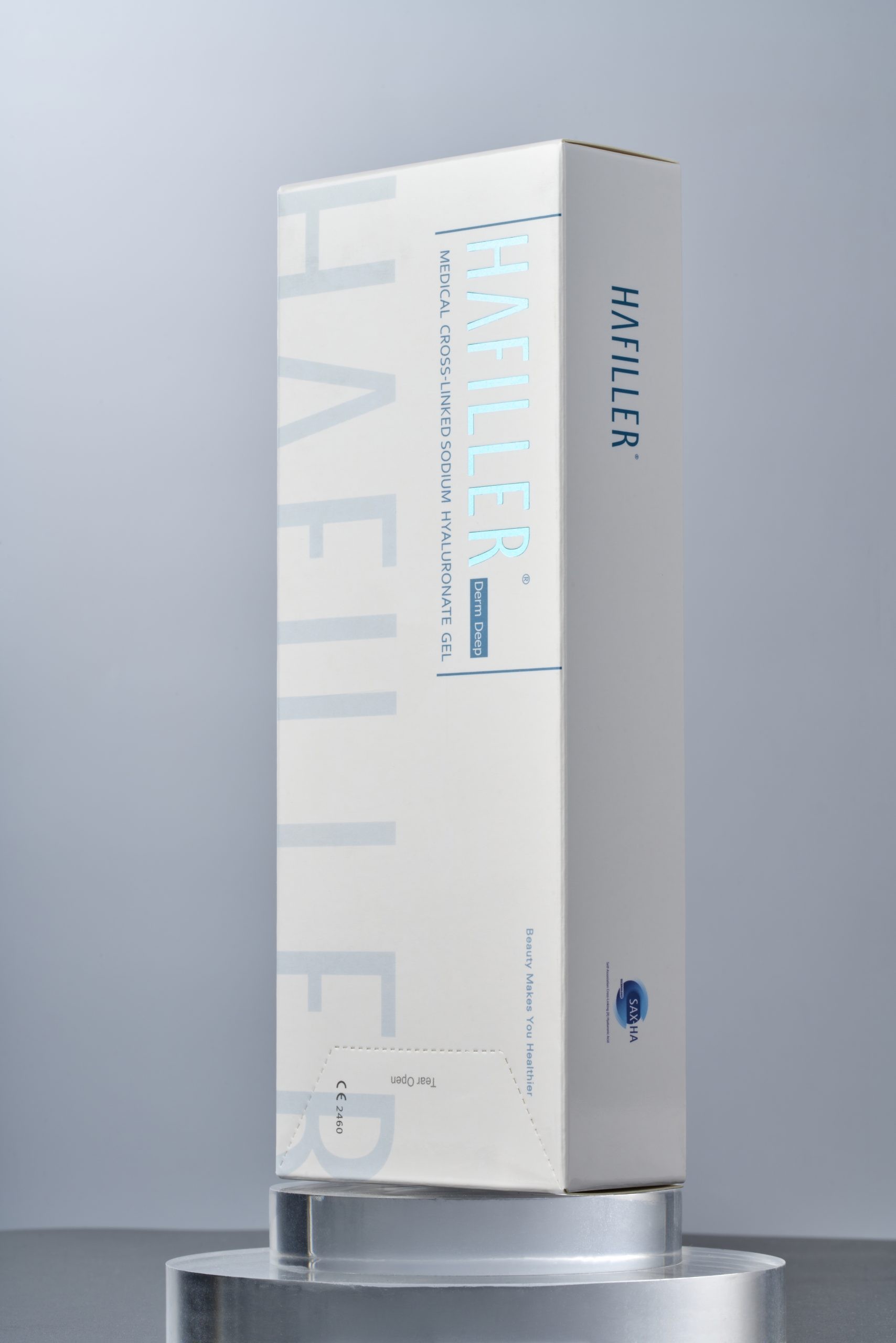
Facial aging often causes volume loss, skin folding, and visible creases around the mouth, cheeks, and forehead. In many aesthetic clinics, deep wrinkle filler injections are used to improve these changes through minimally invasive procedures. Doctors usually evaluate skin thickness, wrinkle depth, and facial movement before choosing a treatment plan. Products based on injectable hyaluronic acid dermal filler are commonly selected because hyaluronic acid can support soft tissue while maintaining a smooth texture under the skin. Jingjia Medical develops the HAFILLER DermDeep for facial contour support and wrinkle correction, using CE-certified production systems and standardized manufacturing processes.
Assessment Before Injection Procedures
Before treatment begins, clinics normally examine wrinkle location and facial balance instead of focusing only on a single line. Deep folds near the nasolabial area may require different injection depth and gel density compared with forehead creases. During deep wrinkle filler injections, doctors often consider elasticity, tissue support, and expected facial movement after treatment. Product structure also affects injection handling. The HAFILLER derm deep range is designed with different gel characteristics for deeper facial areas where stronger support may be needed. Jingjia Medical manufactures these products through controlled production lines intended to maintain stable gel consistency and sterile filling conditions.
Material Selection and Injection Technique
Different filler formulations are chosen according to treatment goals and facial anatomy. Some clinics prefer softer gels for fine transitions, while denser materials may be used for structural support. An injectable hyaluronic acid dermal filler is frequently selected because it can integrate with soft tissue while helping maintain facial contours. Injection methods may include linear threading, bolus placement, or layered application depending on wrinkle severity. During treatment planning, doctors also evaluate patient age, skin condition, and previous filler history. Jingjia Medical supplies HAFILLER products with CE-related compliance and production inspection procedures that support consistent material quality for professional clinical use.
Conclusion: Factors That Influence Wrinkle Correction Approaches
The correction of deep facial lines depends on more than product selection alone. Clinics usually combine facial assessment, injection technique, and material properties when planning deep wrinkle filler injections for different patients. At the same time, an appropriate injectable hyaluronic acid dermal filler may support smoother contour transitions and balanced facial volume after treatment. Through standardized manufacturing systems, quality inspection procedures, and CE-certified production environments, Jingjia Medical provides the HAFILLER for clinics and distributors involved in facial aesthetic applications.

