
Operational requirements for renewable projects frequently involve careful consideration of hardware protection. Integrating an energy storage cabinet into a power system offers distinct advantages regarding safety and component organization. These enclosures provide a controlled environment that shields internal electronics from environmental degradation, which helps extend the functional duration of the installation. However, users must also weigh the physical space requirements and cooling infrastructure needed for these units to function correctly.
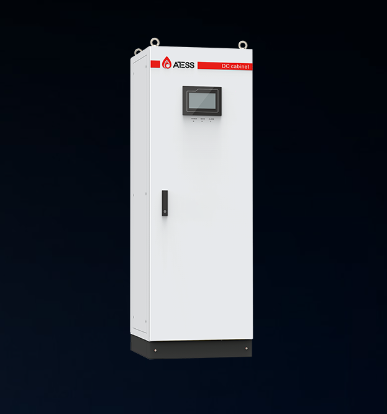
Advantages of Dedicated Enclosures
Deployment of a sturdy battery cabinet provides significant benefits for hardware reliability. By enclosing cells, operators effectively isolate sensitive components from external contaminants like dust or moisture. A well-organized energy storage cabinet also simplifies routine inspections, allowing technicians to verify connections and monitor status indicators without exposing internal systems to the air. Atess offers equipment designed to facilitate this orderly arrangement, ensuring that internal cabling is routed for optimal access. By centralizing components, they create a clear pathway for airflow, which assists in managing thermal output during peak operation.
Challenges to Consider
Implementation of a professional battery cabinet requires planning regarding site logistics. These structures occupy a fixed footprint, necessitating adequate space within a facility or on-site foundation. Furthermore, cooling demands for high-capacity systems require specific ventilation or HVAC integration to prevent heat accumulation inside an energy storage cabinet. Atess works to address these thermal challenges by providing enclosure designs that accommodate necessary airflow patterns. While the initial setup involves physical planning, the resulting protection of the power system provides a clear benefit for long-term project stability.
Choosing the right approach to hardware housing influences the overall success of energy projects. A dedicated battery cabinet acts as a crucial interface between complex electrical components and the surrounding environment. When organizations prioritize proper housing, they reduce the risk of premature component failure caused by environmental stressors. By focusing on site-specific needs and thermal management, operators ensure their systems remain functional and organized for the duration of the operational cycle.

