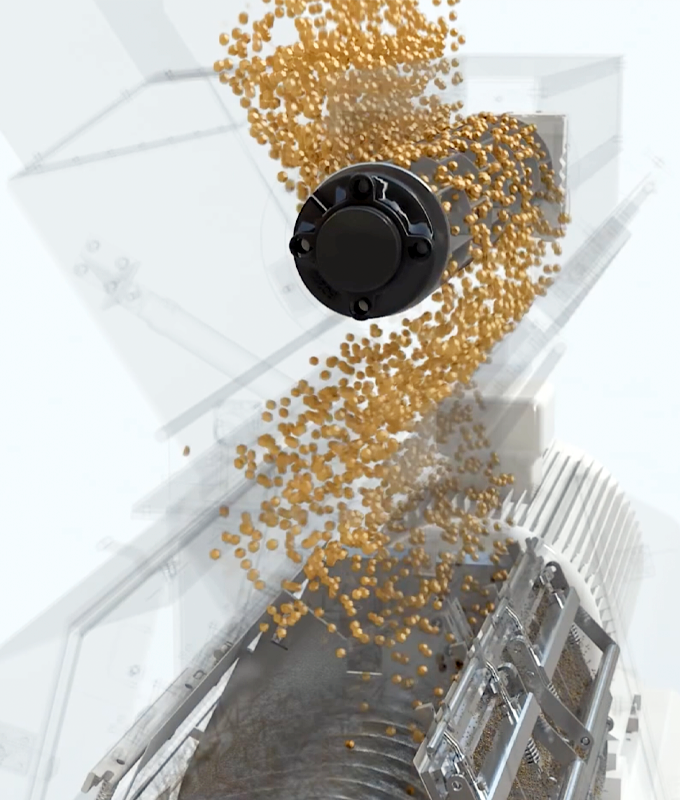
Material properties act as the primary variables that dictate the longevity of internal components within any processing line. When operators analyze milling grinding efficiency, the hardness and composition of raw ingredients emerge as the main factors influencing the degradation of wear parts. FAMSUN provides insights into how specific material characteristics require tailored mechanical responses to ensure durable operation.
Impact of Material Composition on Component Longevity
The physical makeup of feed ingredients directly correlates with the frequency of part replacement. High silica content, in particular, acts as an abrasive agent that accelerates metal fatigue within the chamber. Alongside silica, high fibre levels and specific moisture ranges create a complex environment that taxes standard steel components. When a poultry feed grinder machine processes these demanding materials, the internal hammers experience significant friction.
Data shows that the abrasive nature of these ingredients necessitates a proactive approach to metal selection. FAMSUN supports facilities by providing specialized alloy hammer options engineered to withstand the heightened stress of these materials. Choosing the correct alloy for the specific hardness of the input ensures that the poultry feed grinder machine maintains its structural integrity over longer periods of continuous usage.
Operational Strategies for Abrasive Materials
Optimization involves more than just selecting hardened alloys; it involves a systematic review of the milling grinding process parameters. By adjusting feed rates and rotor speeds based on the hardness of the raw material, operators reduce the excessive contact stress that leads to premature wear. Data-driven adjustments allow for a more balanced distribution of energy within the grinding zone, which minimizes localized damage to the hammers and screens. When the equipment is configured to accommodate the abrasive profile of the ingredients, the overall cost of ownership decreases, and the output quality remains stable. Properly matching the mechanical setup to the material chemistry ensures that the production cycle stays productive without frequent interruptions for maintenance.
Material hardness remains a critical variable that influences the lifespan of processing equipment. By identifying the abrasive components in raw ingredients and selecting appropriate alloys, producers manage wear rates effectively. Focus on these technical adjustments contributes to more stable operations in the long term.